

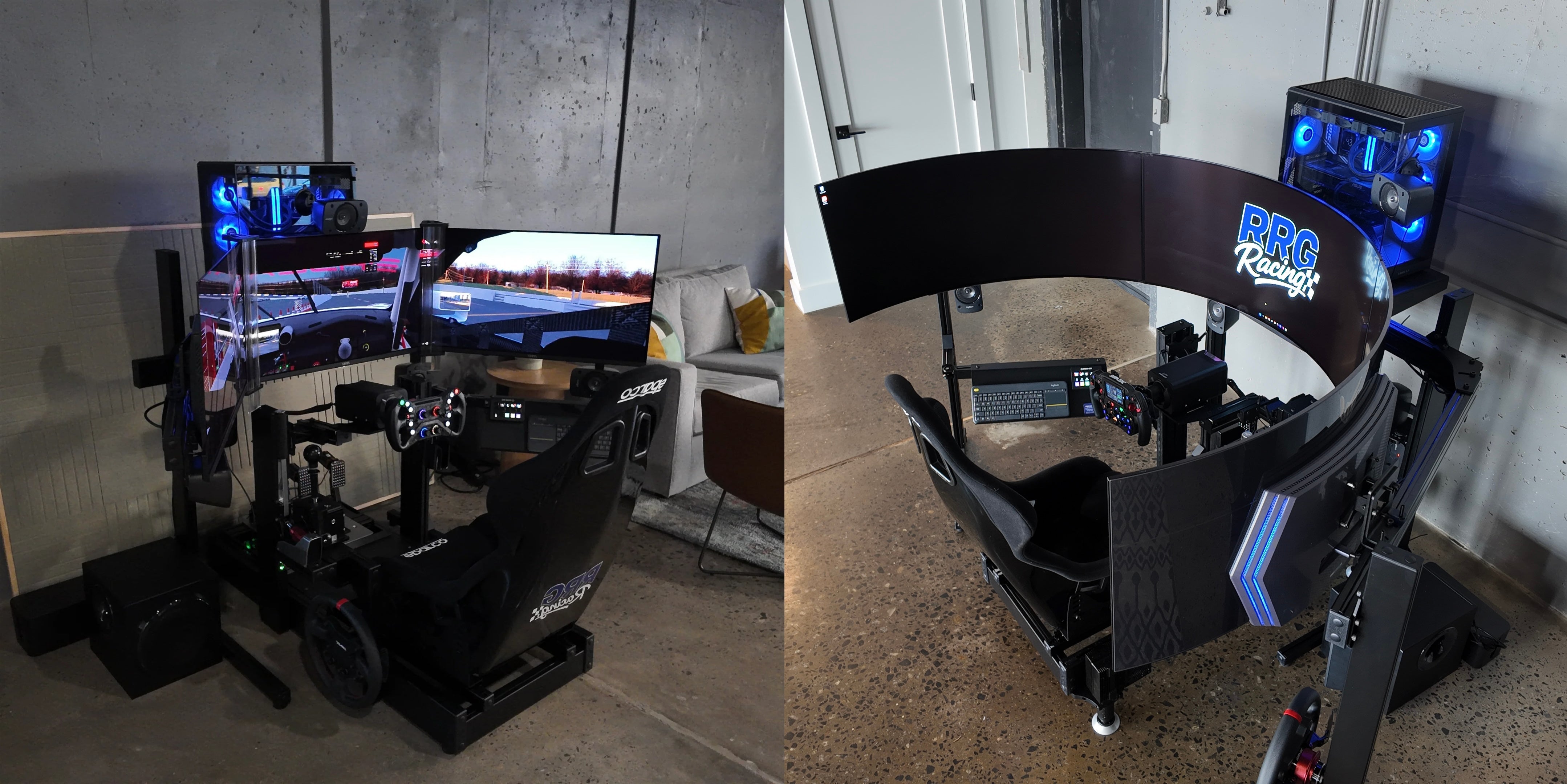
What Makes a Simulator "Turnkey"
You've probably seen the word "turnkey" thrown around in the sim racing world. It sounds impressive. But what does it actually mean, and why should you care?
Let's break it down.
The Short Answer
A turnkey simulator is one that arrives ready to race. No sourcing individual components, no wrestling with software configurations, no spending three weekends in your garage wondering why your force feedback feels like a washing machine on spin cycle. A team installs it, adjusts it to you, and you drive.
That's the promise, anyway. But not every company delivering a "turnkey" rig is offering the same thing. The details matter, and the difference between a truly turnkey experience and a box of well marketed parts can be thousands of dollars and dozens of hours.
What a Turnkey Simulator Actually Includes
A proper turnkey simulator covers every layer of the experience, from hardware to software to the installation. Here's what that looks like in practice.
The Chassis and Cockpit
This is the foundation of the rig. A quality turnkey build uses a rigid, purpose built frame designed to handle the forces generated by direct drive wheelbases and motion systems, if added. It's not a desk clamp and an office chair. The seating position, pedal angle, and wheel height are all engineered to replicate a real cockpit and fit you. This matters more than most people realize. If your body position is wrong, your inputs will be wrong, and no amount of software tuning will fix that.
The Hardware Stack
A turnkey rig comes with every piece of hardware selected, tested, and installed as a matched system. That means the wheelbase, steering wheel, pedal set, shifter (if applicable), and display solution are all chosen to work together. Component mismatches are one of the most common problems in DIY builds. A direct drive base paired with a flimsy pedal set is like putting racing slicks on a minivan. Technically possible, but you're not getting the full picture.
The Motion Platform
Not all turnkey simulators include motion, but competition grade units often do. A well integrated motion platform adds another dimension of feedback, translating forces like braking, acceleration, and lateral load into physical movement. The key word here is "integrated." Bolting a motion platform onto an afterthought chassis is a recipe for flex, vibration, and disappointment. In a true turnkey build, the motion system is part of the design from the start.
Display and Visual Setup
Whether it's a triple monitor array, a single ultrawide, or a VR headset, the visual solution in a turnkey build is configured and mounted as part of the package. Monitor stands are aligned, bezels are accounted for, and field of view is set correctly. This is one of the most commonly overlooked details in DIY setups and one of the first things experienced drivers notice when something feels "off."
Why Turnkey Matters for Serious Racers
If you're training for track days, competing in organized leagues, using simulation as a genuine performance tool, are time starved, or connecting with other people within the ever expanding sim racing community, the turnkey approach solves a very specific problem: it removes the variables between you and seat time.
Every hour you spend researching compatible wheelbases, adjusting monitor geometry, or troubleshooting a USB dropout is an hour you're not driving. For competitive racers and professionals, that time has real value.
There's also the question of consistency. A properly built turnkey rig delivers the same experience every time you sit down. Nothing has shifted, nothing needs recalibrating, and nothing has come loose. That consistency is what allows you to build real muscle memory and transfer skills to the real car.
What to Ask Before You Buy
Not every company means the same thing when they say "turnkey." Before making a purchase, it's worth asking a few straightforward questions.
What happens when a component fails six months in? You want to know if you're calling one company or four different manufacturers. A true turnkey provider owns the entire support experience, not just the sale.
How were the force feedback and motion profiles developed? If the answer is "we use the default settings," that tells you everything. Dialed in calibration is the difference between a simulator and an expensive toy.
What's the upgrade path? Your needs will evolve. A good turnkey partner builds with that in mind, so you're not locked into a dead end platform when you want to step up.
The Bottom Line
"Turnkey" should mean exactly what it sounds like. You turn the key and you're racing. No guesswork, no compromises, and no weekend projects that somehow turn into month long ordeals. When time matters, that reliability and immediacy is worth the investment. It means more laps, better data, and fewer headaches.
And at the end of the day, isn't that why we got into this in the first place? To drive, not to troubleshoot.
RRG Racing builds world class turnkey simulators trackside at Atlanta Motorsports Park in Dawsonville, Georgia. If you're ready to skip the guesswork and get straight to seat time, visit rrgracing.com.
Share:
Setting Up a Simulator for Endurance Racing: What You Need to Know
How Motion Platforms Translate Real World G Forces into Meaningful Feedback